


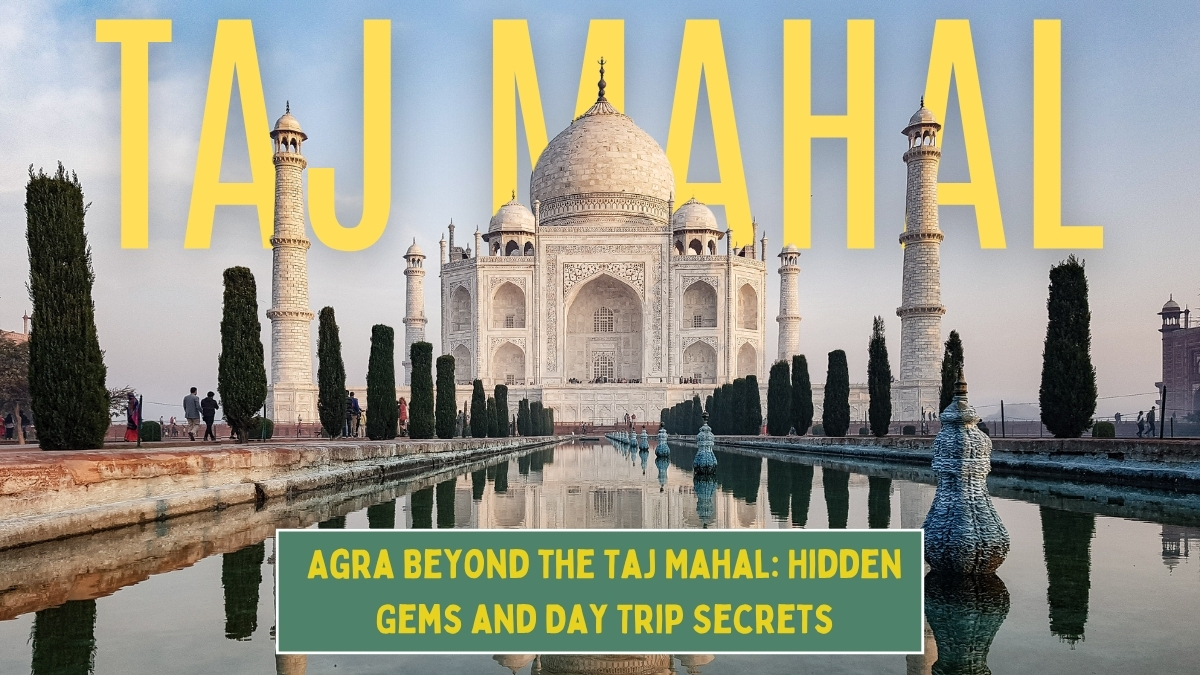
Every year, millions of travellers from almost every corner of the world visit Agra, especially the Taj Mahal, which is listed among the seven wonders. Visitors generally photograph the Taj Mahal at sunrise and board the next train to the next city, like Jaipur or Delhi. It is entirely understandable, as there is the Taj in the visitors’ list. But if you are planning a North India heritage tour and treating Agra as a four-hour stopover, you are missing multiple hidden Mughal monuments, atmospheric bazaars, and day trips. Because there are multiple things to explore, especially the glimpse of the Mughal empire. With the best Agra tour guide, you can explore this city in detail
This guide is for those who want to visit Agra properly with the right local knowledge, a few well-kept secrets, and a strategy that makes every moment memorable.
Why Agra Deserves More Than One Morning
Agra served as the Mughal capital for over a century, and that legacy is layered across the city in ways that most itineraries never reach. The Taj Mahal is indeed the best place, but the city’s historical density is extraordinary, which comes under three UNESCO World Heritage Sites. And you can visit all these easily. And these are as follows.
The Golden Triangle Agra leg of the classic Delhi–Agra–Jaipur circuit often gets the shortest shrift. Where Delhi gets two nights, Jaipur gets two nights; Agra gets a single rushed day. Which might be short. Because there are multiple places to visit and you can plan like uncrowded morning light at Itmad-ud-Daulah, a long lunch in the old city, and a slow walk through Agra Fort without fighting a crowd.
Local insight: Agra Fort and Itmad-ud-Daulah are far less crowded than the Taj Mahal. And you can visit the Taj first at sunrise, and then spend your afternoon at these two sites for a far more contemplative experience.
The Hidden Gems Most Itineraries Miss
Agra served as the Mughal capital for over a century, and that legacy is layered across the city in ways that most itineraries never reach. The Taj Mahal is indeed the best place, but the city’s historical density is extraordinary, which comes under three UNESCO World Heritage Sites. And you can visit all these easily. And these are as follows.
The Golden Triangle Agra leg of the classic Delhi–Agra–Jaipur circuit often gets the shortest shrift. Where Delhi gets two nights, Jaipur gets two nights; Agra gets a single rushed day. Which might be short. Because there are multiple places to visit and you can plan like uncrowded morning light at Itmad-ud-Daulah, a long lunch in the old city, and a slow walk through Agra Fort without fighting a crowd.
Local insight: Agra Fort and Itmad-ud-Daulah are far less crowded than the Taj Mahal. And you can visit the Taj first at sunrise, and then spend your afternoon at these two sites for a far more contemplative experience.
The Hidden Gems Most Itineraries Miss
Itmad-ud-Daulah (Baby Taj): Hidden Marble Gem
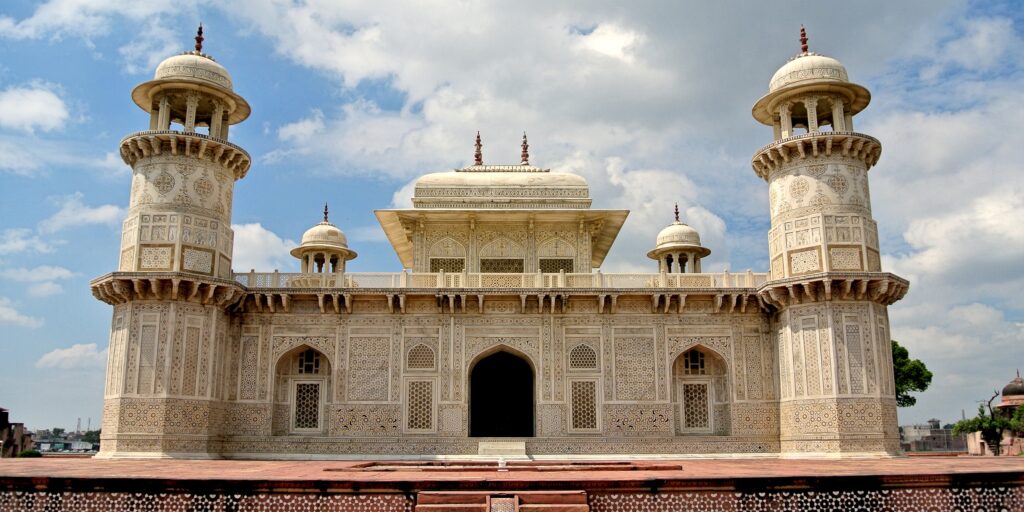
It was built between 1622 and 1628. This mausoleum predates the Taj, and it was the first Mughal structure which was made entirely of white marble with pietra dura inlay. The crowds are a fraction of the Taj’s, and the riverfront gardens are serene in a way the main monument rarely is.
Mehtab Bagh: Perfect sunset view
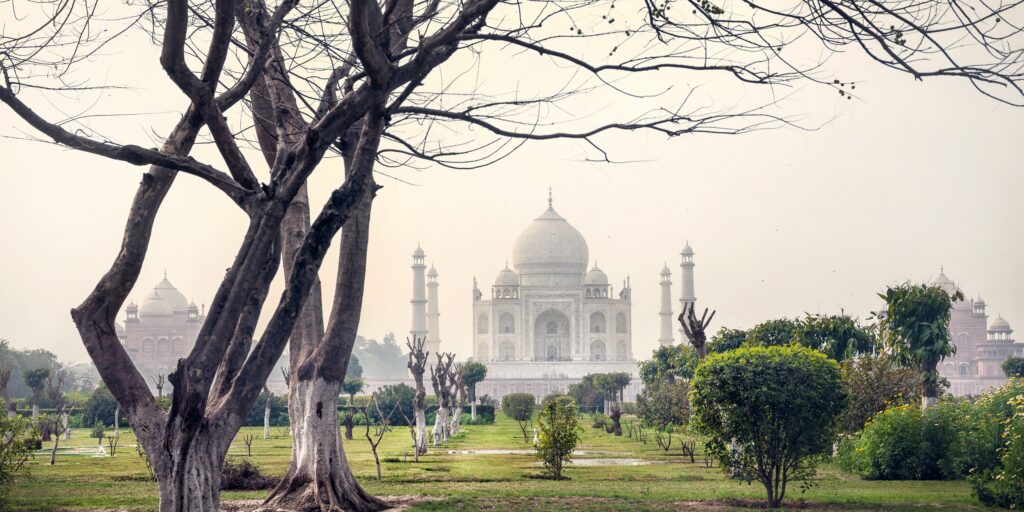
It is situated directly across the Yamuna from the Taj; this moonlit garden offers one of the finest sunset views of the monument. The symmetry from this angle is something photographers treasure, and entry fees for this place are a fraction of the Taj’s.
Chini Ka Rauza: Forgotten artistic tomb
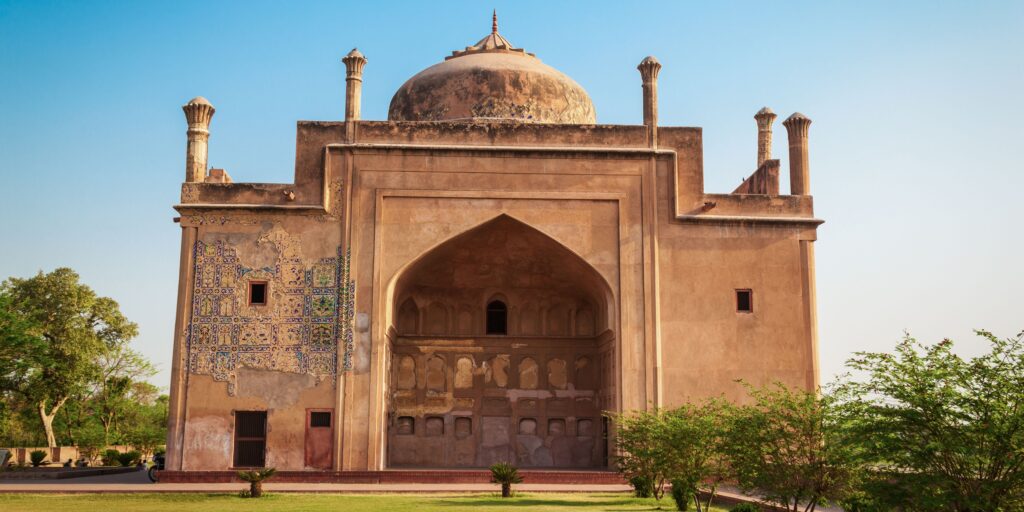
It’s a largely forgotten tomb clad in Persian-style glazed tile work that was built for Afzal Khan, a prime minister in Shah Jahan’s court. Few tourists make it here. The coloured tilework, which is rare in Mughal architecture, is in a state of gentle decay that feels intimate and real.
Kinari Bazaar: Vibrant local marketplace
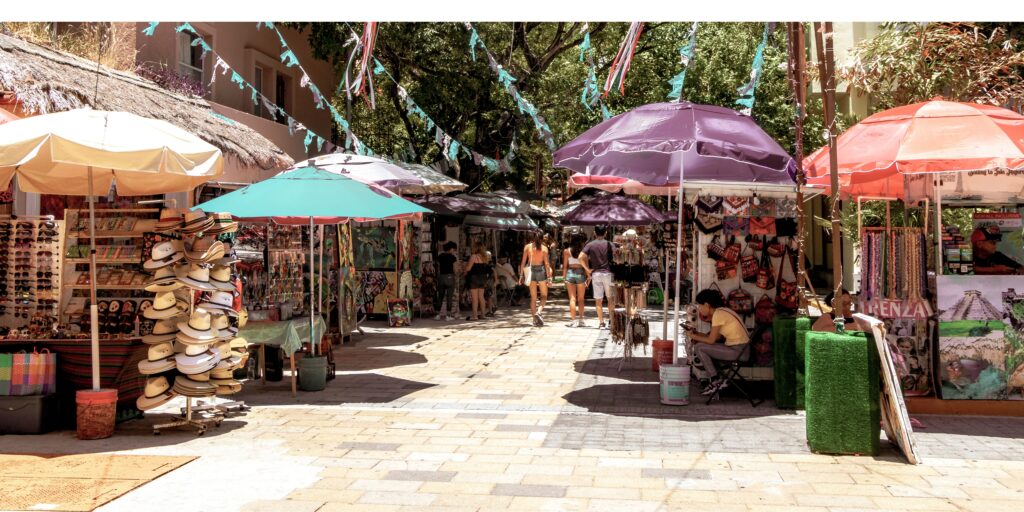
It’s the old market lanes that sell marble inlay work, zari embroidery, and the famous Agra petha sweet. The real draw is the lanes themselves, narrow, layered, and alive with the sounds of a Mughal trading city that never really stopped trading.
Ram Bagh: Historic Mughal garden

It’s widely considered the oldest surviving Mughal garden in India. Ram Bagh was laid out by Babur himself in the early 16th century. The terraced geometry and Yamuna backdrop make it a remarkable, almost entirely tourist-free afternoon detour.
The Day Trip Secret: Fatehpur Sikri
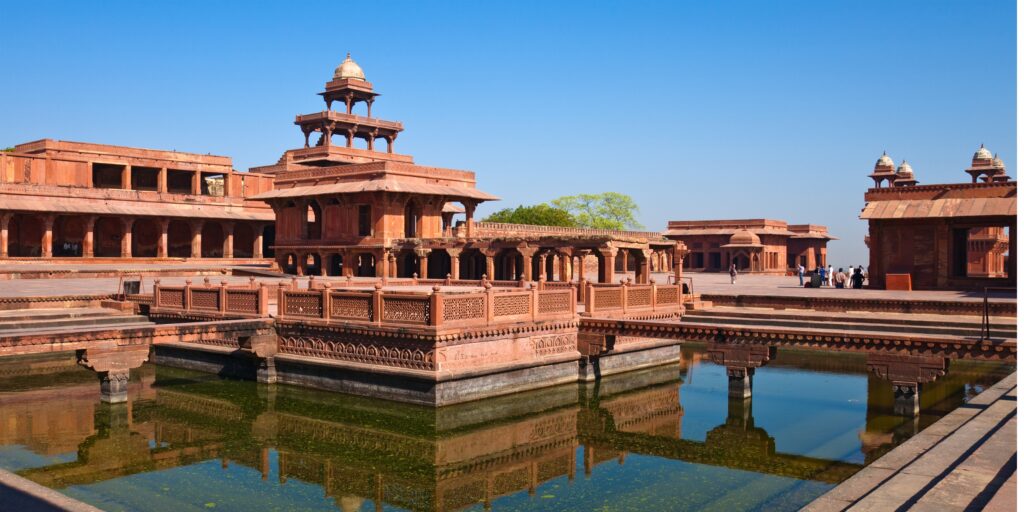
It was one of the significant places of the Mughal empire, and it is considered one of the well-preserved cities. Let’s get acquainted with this place in detail.
Location & Historical Significance
- Fatehpur Sikri is located around 40 km from Agra, and it is one of the most well-preserved Mughal cities.
- It served as the capital of Akbar from 1571 to 1585 before being abandoned due to water shortages.
Key Architectural Highlights
- Diwan-i-Khas: It is famous for its intricately carved central pillar, which symbolises Akbar’s administrative vision.
- Panch Mahal: It’s a unique five-storey structure which was designed for royal leisure and ventilation.
- Buland Darwaza: It is known as the tallest gateway in the world (54 metres), which represents Mughal grandeur.
Why Choose a Private Driver
There are multiple valid reasons for choosing a private driver to ensure your convenience during your travelling and these are as follows.
- Because the public buses follow strict schedules.
- A private driver can help you have an early departure to help you avoid crowds and heat.
- You get the flexibility to explore at your desired pace, which makes your visits satisfactory.
Experience Enhancement
- You can spend more time at peaceful spots like the Jama Masjid courtyard.
- You can enjoy local food at roadside dhabas without time pressure with some extraordinary.
Add-On Visit: Sikandra
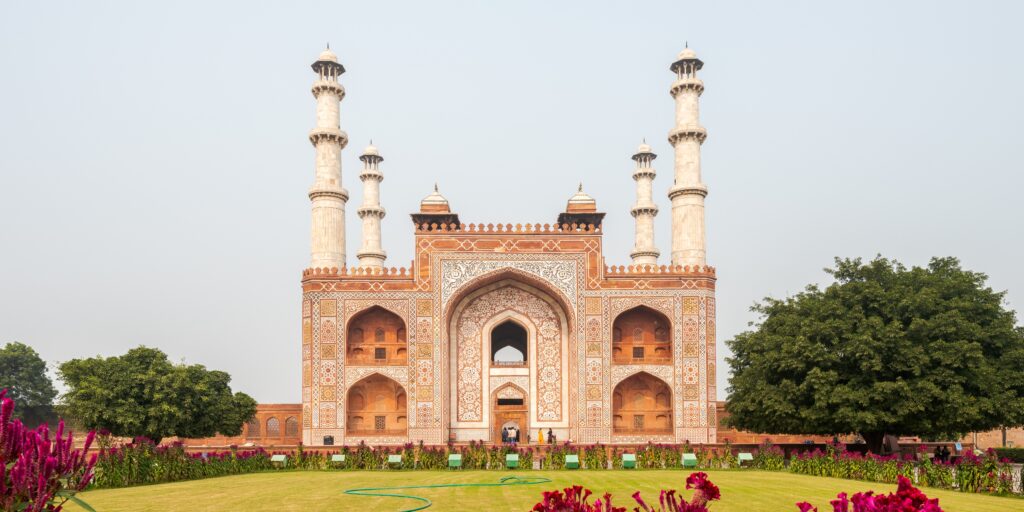
Akbar’s tomb lies on the Agra–Delhi route. Visiting this can add only about 30 minutes to your journey. But it can complete the story of Akbar’s architectural legacy.
Agra Travel Tips: Getting the Most Out of Every Hour
- Book Sunrise Taj Mahal Visit
- Booking in advance with Agra travel tips ensures entry during the least crowded time.
- Sunrise offers cooler weather and the best lighting for photography.
- Avoid Friday Visits
- The Taj remains closed to tourists on Friday afternoons.
- Surrounding days become more crowded, which can affect your experience.
- Carry Cash
- Many local vendors and small eateries may not accept card and UPI and therefore carry cash.
- However, ATMs are available near Sadar Bazaar and the railway station, but it can be lengthy.
- Plan Around Weather
- Summers (April–June) can exceed 42°C, which can make your midday travel exhausting.
- Best visiting hours are considered as early morning and late afternoon because of pleasant weather.
- Smart Shopping for Handicrafts
- Agra is known for marble inlay work, but tourist shops often sell imitations.
- You can visit “Nai Ki Mandi” workshops for authentic, handmade products. Where you can get better quality and fair pricing directly from artisans.
Choosing the Right Guide and Driver
The role of a Good Tour Guide must be
- To bring history to life beyond basic facts.
- To help optimise your itinerary based on your convenient time and crowd conditions.
- To enhance understanding of Mughal architecture and culture.
How to Select a Private Driver
For selecting a private driver, you can concentrate on multiple things, and these are as follows
- Prefer drivers with at least 5 years of experience in Agra.
- Ensure they speak basic English to ensure smooth communication.
- Choose fixed daily pricing to avoid unnecessary additional costs.
Verification Before Booking
You must ensure that the site you are using for booking, or the place you are booking, is reliable with good reviews. If it is, you proceed. And before booking, you must
- Ask your hotel for trusted recommendations.
- Check recent online reviews for reliability.
- Confirm familiarity with routes like Fatehpur Sikri and Sikandra.
Final Word: Stay Two Nights
The single most useful piece of advice for anyone building a Golden Triangle Agra itinerary is also the simplest: stay two nights. One extra night means a relaxed Taj sunrise on day one, a full afternoon at the fort and Baby Taj, a proper dinner in the old city, and a leisurely half-day at Fatehpur Sikri and Sikandra before your onward journey.
Because Agra is not just a monument, it is a city which has been living, trading, and telling stories for five centuries. The Taj Mahal is the beginning of the conversation, but not the whole of it. Give it the time it deserves, and it will give back everlasting memories of Indian History. For getting the best Agra tour guide, you can also choose the DriverIndiatour with a detailed insight to visit India.


Leave a Reply