
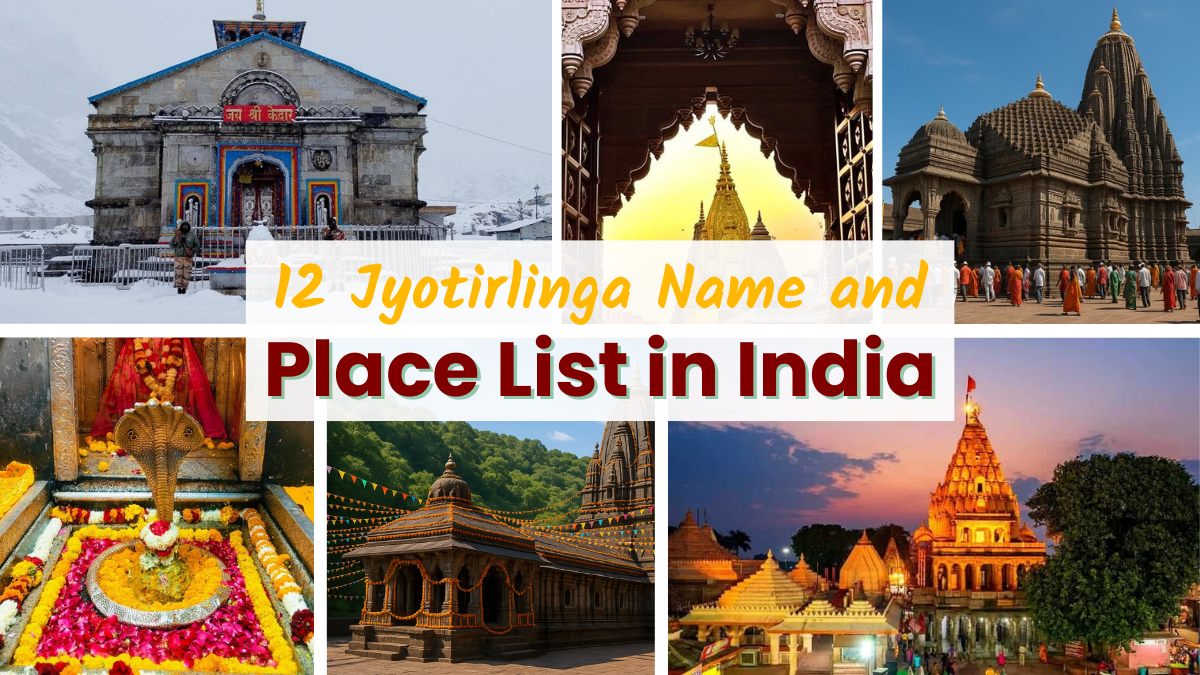
Among the most revered sites for Lord Shiva’s devotees are the 12 Jyotirlinga in India. They allow you to explore the spiritual essence of the country. India is a land of age-old temples and strong religious traditions, and sacred shrines reflect the highest presence of Lord Shiva as a pillar of divine light. For millions of worshippers, knowing the 12 Jyotirlinga name and place list is a crucial part of their religious journey.
Meaning and Significance of 12 Jyotirlinga in India
12 Jyotirlinga in India are believed to be the holiest shrines that are dedicated to Lord Shiva. It is believed that these sites are those places where the Lord himself appeared as a fiery column of light to show his highest divine nature.
A vision of the 12 Jyotirlinga in India is believed to help devotees overcome their sins and attain liberation (moksha). These Jyotirlinga find their mention in plenty of ancient Hindu texts, including the Shiva Purana, and are considered to be of major religious importance.
Visit here – India Tour Packages
12 Jyotirlinga Name and Place
Individuals from every part of the world visit these holy shrines to seek blessings and spiritual comfort. They realise the sacred presence of Lord Shiva taking a tour of the 12 Jyotirlinga. Here is a complete 12 Jyotirlinga name list that’s presented in a clear format.
|
Jyotirlinga Name |
Location (City, State) |
|
Somnath |
Prabhas Patan, Gujarat |
|
Mallikarjuna Jyotirlinga |
Srisailam, Andhra Pradesh |
|
Mahakaleshwar |
Ujjain, Madhya Pradesh |
|
Omkareshwar |
Narmada River, Madhya Pradesh |
|
Kedarnath |
Rudraprayag District, Uttarakhand |
|
Bhimashankar |
Pune District, Maharashtra |
|
Kashi Vishwanath |
Varanasi, Uttar Pradesh |
|
Trimbakeshwar |
Nashik District, Maharashtra |
|
Vaidyanath |
Deoghar, Jharkhand |
|
Nageshwar |
Near Dwarka, Gujarat |
|
Rameshwaram |
Rameswaram Island, Tamil Nadu |
|
Grishneshwar |
Near Aurangabad, Maharashtra |
1. Somnath Jyotirlinga – Gujarat

Significance: Somnath Jyotirlinga is considered the oldest among the 12 Jyotirlinga in India. This temple is famous for its breathtaking architecture and significance in history. It is said that the Moon God (Chandra) has built this temple in gold to offer devotion to Lord Shiva as a token of gratitude, so he could be cured of a curse imposed by his father-in-law.
Location: Prabhas Kshetra, near Veraval, Gujarat
Timing: 6:00 AM to 9:00 PM
Nearby Attractions: Bhalka Tirth, Diu Island, Gir National Park, and Triveni Sangam.
2. Mallikarjuna Jyotirlinga – Andhra Pradesh

Significance: Legend has it that when Lord Kartikeya, in his anger, moved toward Krauncha Mountain, Lord Shiva and Goddess Parvati pursued him and stayed there in the form of Mallikarjuna (Shiva) and Bhramaramba (Parvati). This is the sole Jyotirlinga temple where devotees worship both gods together.
Location: Srisailam, Andhra Pradesh
Timing: 4:30 AM to 10:00 PM
Nearby Attractions: Akka Mahadevi Caves, Pathala Ganga, Shikaresvara Temple, and Srisailam Dam.
3. Mahakaleshwar Jyotirlinga – Madhya Pradesh
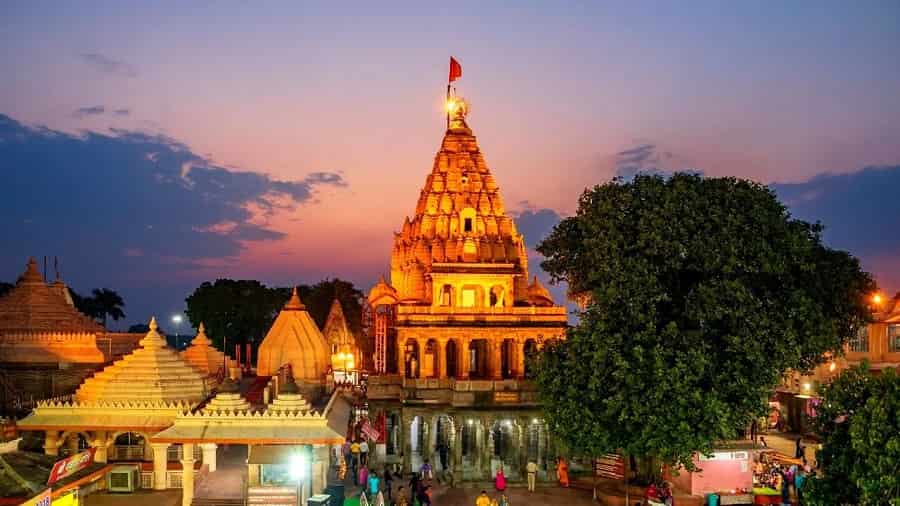
Significance: One of the most explored of the 12 Jyotirlinga in India, Mahakaleshwar’s lingam is directed toward the south. It’s a direction associated with the end of life. It represents Shiva in his form as Mahakaal, who destroys time. This temple is well-known for its morning Bhasma Aarti, in which ashes are offered to the lingam.
Location: Ujjain, Madhya Pradesh
Timing: 4:00 AM to 11:00 PM
Nearby Attractions: Kal Bhairav Temple, Ram Ghat (Shipra River), and Harsiddhi Temple (Shaktipeeth).
4. Omkareshwar Jyotirlinga – Madhya Pradesh
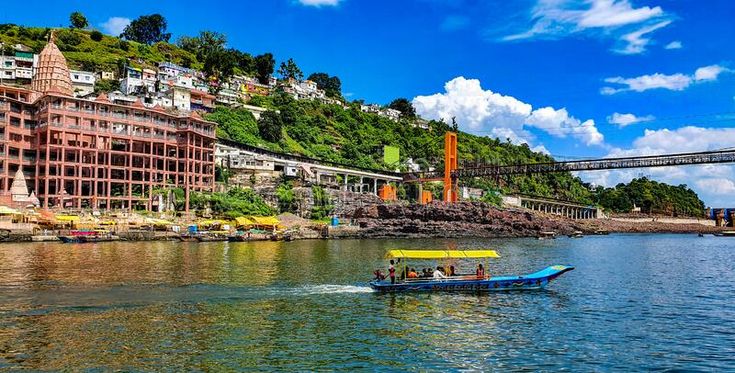
Significance: In the form of the holy symbol ‘ॐ’, Omkareshwar stands in the middle among the 12 Jyotirlinga in India. According to legends, Lord Shiva manifested himself to bless the Devas during an intense battle with demons
Location: Mandhata, Khandwa, Madhya Pradesh
Timing: 5:00 AM to 10:00 PM
Nearby Attractions: Ahilya Ghat, Gauri Somnath Temple, Mamleshwar Temple, and the Narmada Parikrama beginning point.
5. Kedarnath Jyotirlinga – Uttarakhand

Significance: Located on the banks of the Mandakini River lies the Kedarnath Jyotirlinga. According to the Mahabharata, after the battle of Kurukshetra, the Pandavas sought forgiveness from Lord Shiva. He took the form of a bull and disappeared into the earth at Kedarnath, and left his hump behind.
Location: Kedarnath, Uttarakhand
Timing: 4:00 AM to 3:00 PM and 5:00 PM to 9:00 PM
Nearby Attractions: Bhairavnath Temple, Vasuki Tal (glacial lake), and Sonprayag.
6. Bhimashankar Jyotirlinga – Maharashtra
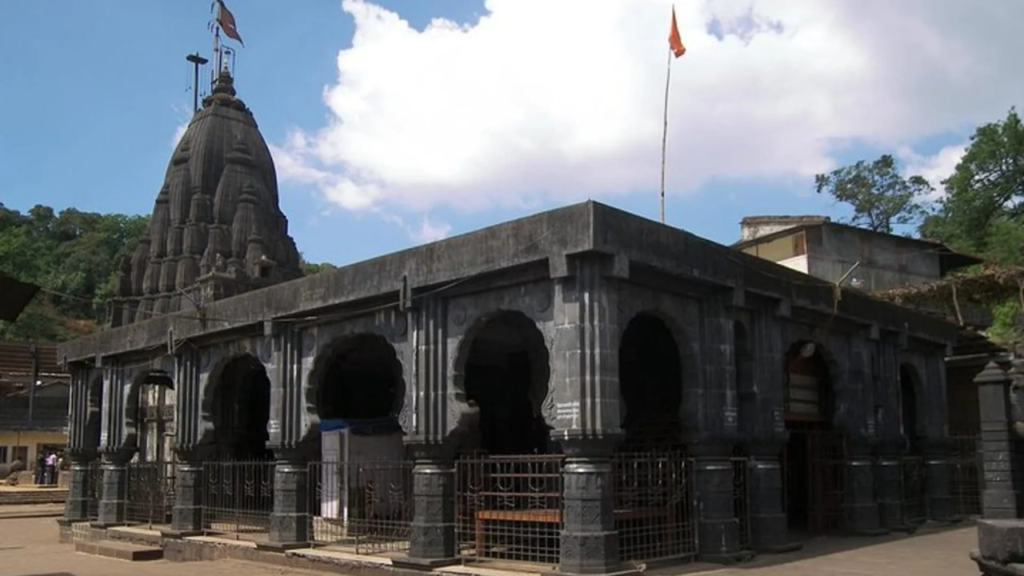
Significance: Located deep in the Bhorgiri forest region, Bhimashankar is counted among the most spiritual places in the 12 Jyotirlinga name list. The sacred temple has a legend that surrounds Lord Shiva killing the demon named ‘Tripurasura’.
Location: Bhorgiri village, Pune, Maharashtra
Timing: 4:30 AM to 12:00 PM and 4:00 PM to 9:30 PM
Nearby Attractions: Bhimashankar Wildlife Sanctuary, Gupt Bhimashankar, Hanuman Lake, and Sahyadri Hills.
7. Kashi Vishwanath Jyotirlinga – Uttar Pradesh
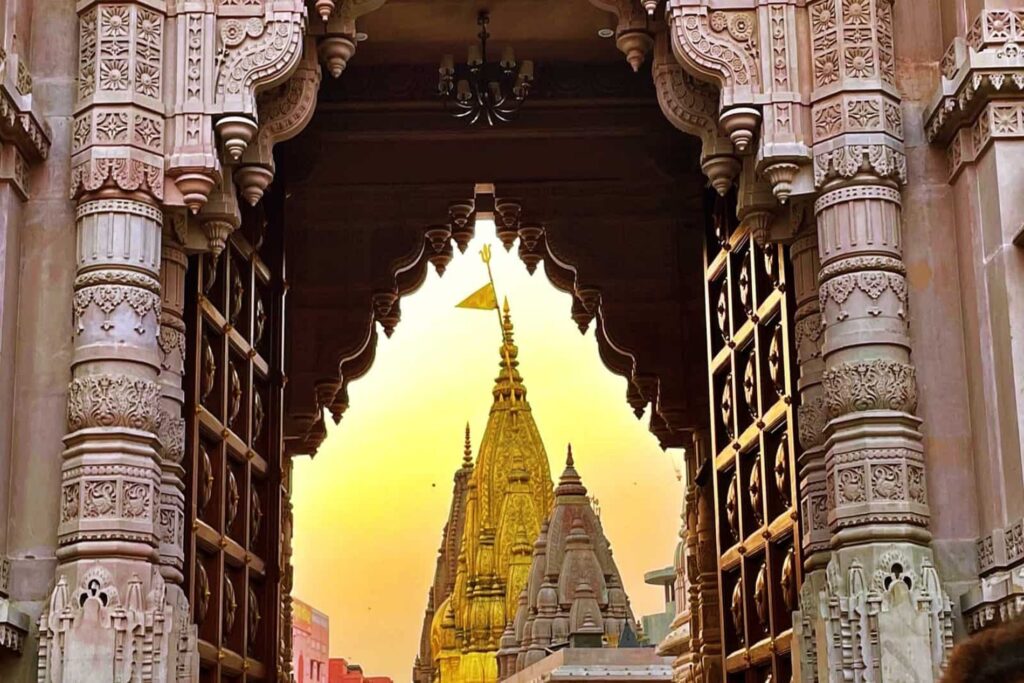
Significance: Located in the sacred Varanasi city, Kashi Vishwanath is among the most popular 12 Jyotirlinga in India. According to legend, Lord Shiva himself gave this town as a gift to Goddess Parvati and promised to live there eternally.
Location: Varanasi, Uttar Pradesh
Timing: 3:00 AM to 11:00 PM
Nearby Attractions: Dashashwamedh Ghat, Sankat Mochan Hanuman Temple, Sarnath, and Tulsi Manas Mandir.
8. Trimbakeshwar Jyotirlinga – Maharashtra
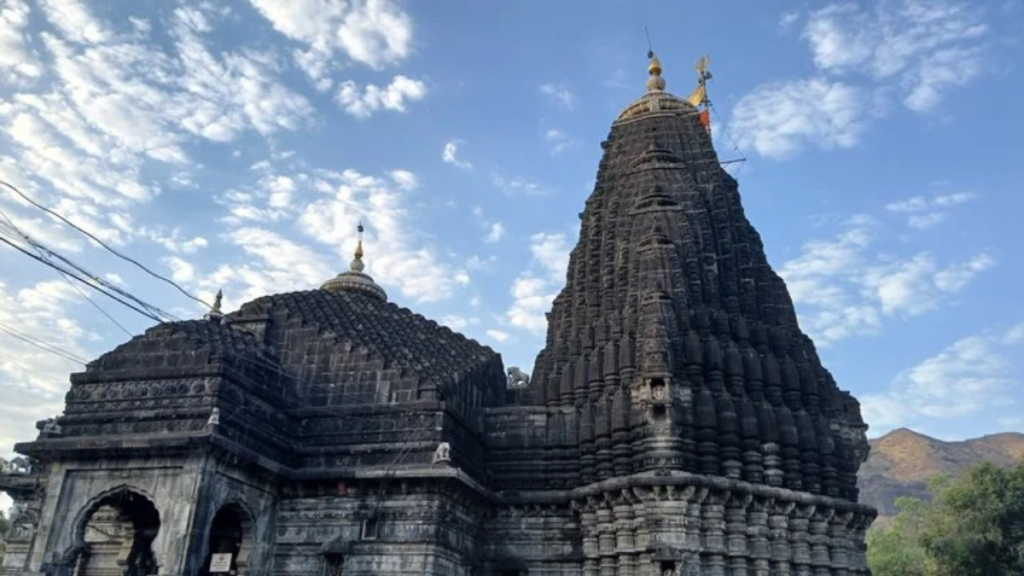
Significance: Close to Nashik city is the Trimbakeshwar Jyotirlinga, unique among the 12 Jyotirlinga in India. That’s because its linga depicts the Trimurti – Brahma, Vishnu, and Mahesh. This temple is at one of the sources of the Godavari River, which makes it a significant place for Hindu rituals and other activities.
Location: Trimbak, Nashik, Maharashtra
Timing: 5:30 AM to 9:00 PM
Nearby Attractions: Anjaneri Fort (said to be the birthplace of Hanuman), Brahmagiri Hills, Kalaram Temple, and Saptashrungi.
9. Vaidyanath Jyotirlinga – Jharkhand
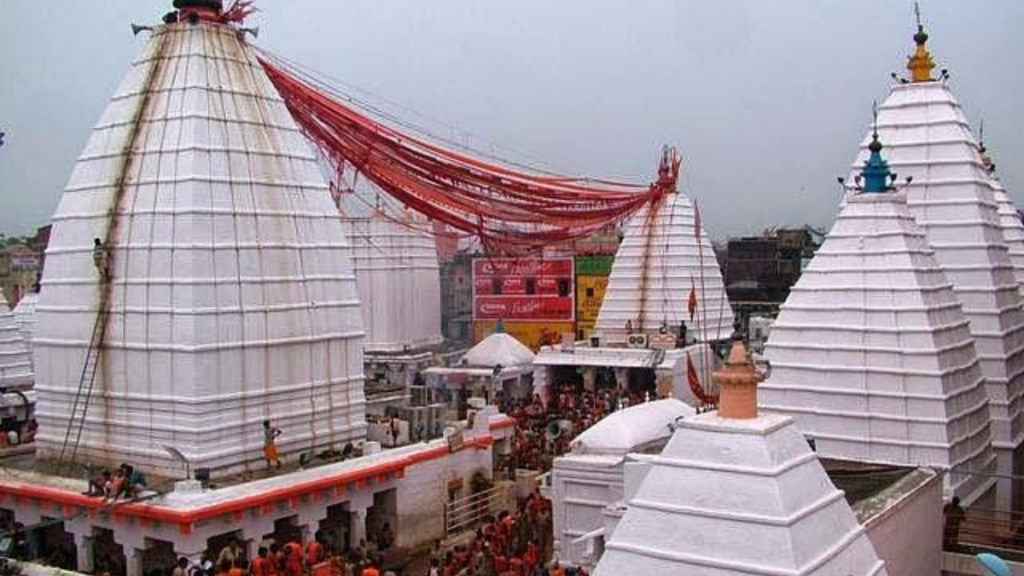
Significance: Vaidyanath Jyotirlinga is the most explored among the 12 Jyotirlinga in India. Also known as Baba Dham, it is associated with Ravana, the demon king, who gained the goodwill of Lord Shiva to make himself invincible.
Location: Deoghar, Jharkhand
Timing: 4:00 AM to 3:30 PM and 6:00 PM to 9:00 PM
Nearby Attractions: Basukinath Temple, Naulakha Mandir, Tapovan Caves, and Trikuta Hills.
10. Nageshwar Jyotirlinga – Gujarat
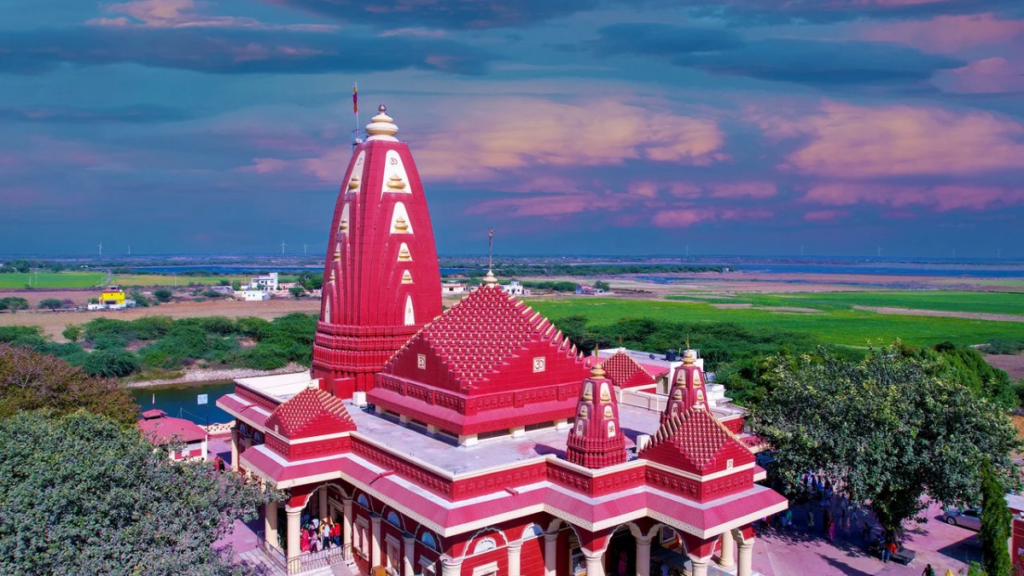
Significance: Nageshwar symbolises safety from negativity and poison, making it a crucial stop in the 12 Jyotirlinga name and place list. Supriya, who was a devotee of Lord Shiva, was imprisoned by a demon. However, chanting Lord Shiva’s name made the Lord appear, and the demon was killed.
Location: Daarukavanam, near Dwarka, Gujarat
Timing: 6:00 AM to 12:30 PM and 5:00 PM to 9:30 PM
Nearby Attractions: Rukmini Devi Temple, Dwarkadhish Temple, Gomti Ghat.
11. Rameshwaram Jyotirlinga – Tamil Nadu
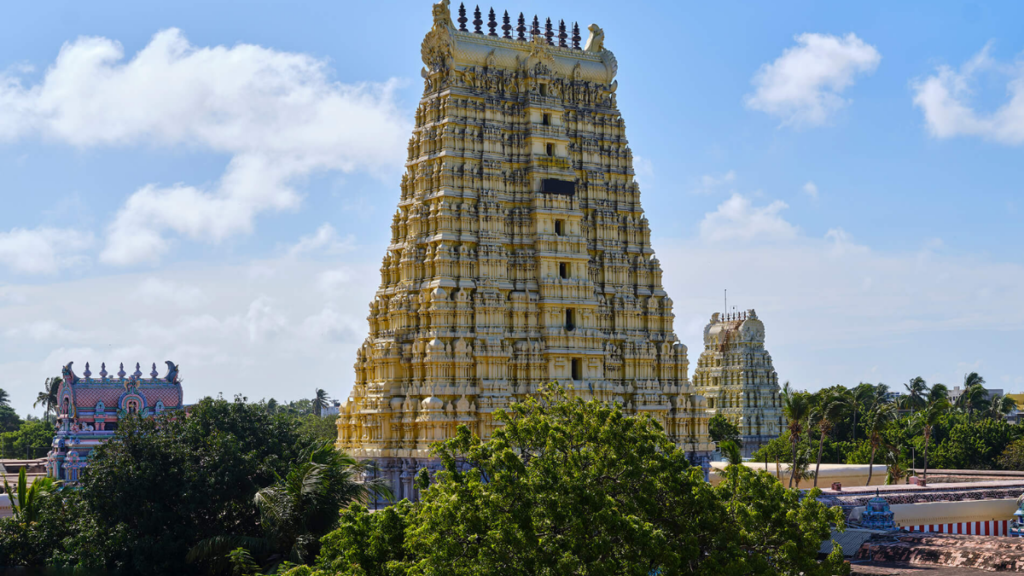
Significance: Stories say that Lord Rama formed a Shiva Linga here before his journey to Lanka to save Goddess Sita. Lord Rama is believed to have worshipped Lord Shiva to purify himself after killing the demon king, Ravana.
Location: Rameswaram, Tamil Nadu
Timing: 5:00 AM to 1:00 PM and 3:00 PM to 9:00 PM
Nearby Attractions: Adam’s Bridge, Agnitheertham, Dhanushkodi, and Pamban Bridge.
12. Grishneshwar Jyotirlinga – Maharashtra
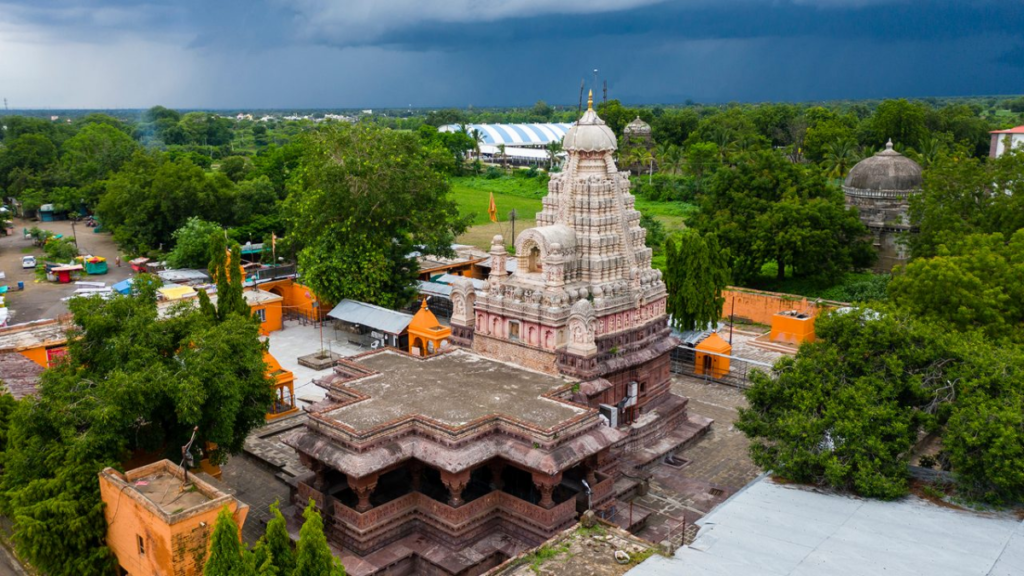
Significance: Located in the Ellora Caves near Aurangabad in Maharashtra, Grishneshwar Jyotirlinga is the last among the 12 Jyotirlinga in India. It is believed that Kusuma – a devoted woman – worshipped Lord Shiva here. Her intense devotion brought her son back to life. This temple is situated near the magnificent Ellora Caves – a UNESCO World Heritage Site.
Location: Verul, Ellora, Aurangabad, Maharashtra
Timing: 5.30 AM to 9.30 PM
Nearby Attractions: Ajanta Caves, Bhadra Maruti Temple, Daulatabad Fort, and Ellora Caves.
Also read this blog – Best Beach in India
Concluding Remarks
The term ‘Jyotirlinga’ has been derived from two Sanskrit words: ‘Jyoti’, which means light, and ‘Linga’, which indicates the symbol or representation of Lord Shiva. The 12 Jyotirlinga in India are believed to represent the supreme and eternal nature of Lord Shiva. These Jyotirlinga are more than temples, as they guide worshippers toward faith, inner strength, and liberation.


Leave a Reply